How Modern Avionics Increase Business Aircraft Value

Matthew
Paint creates the first impression. The interior usually creates the second. But once a buyer becomes serious, avionics often become one of the most important factors in the decision.
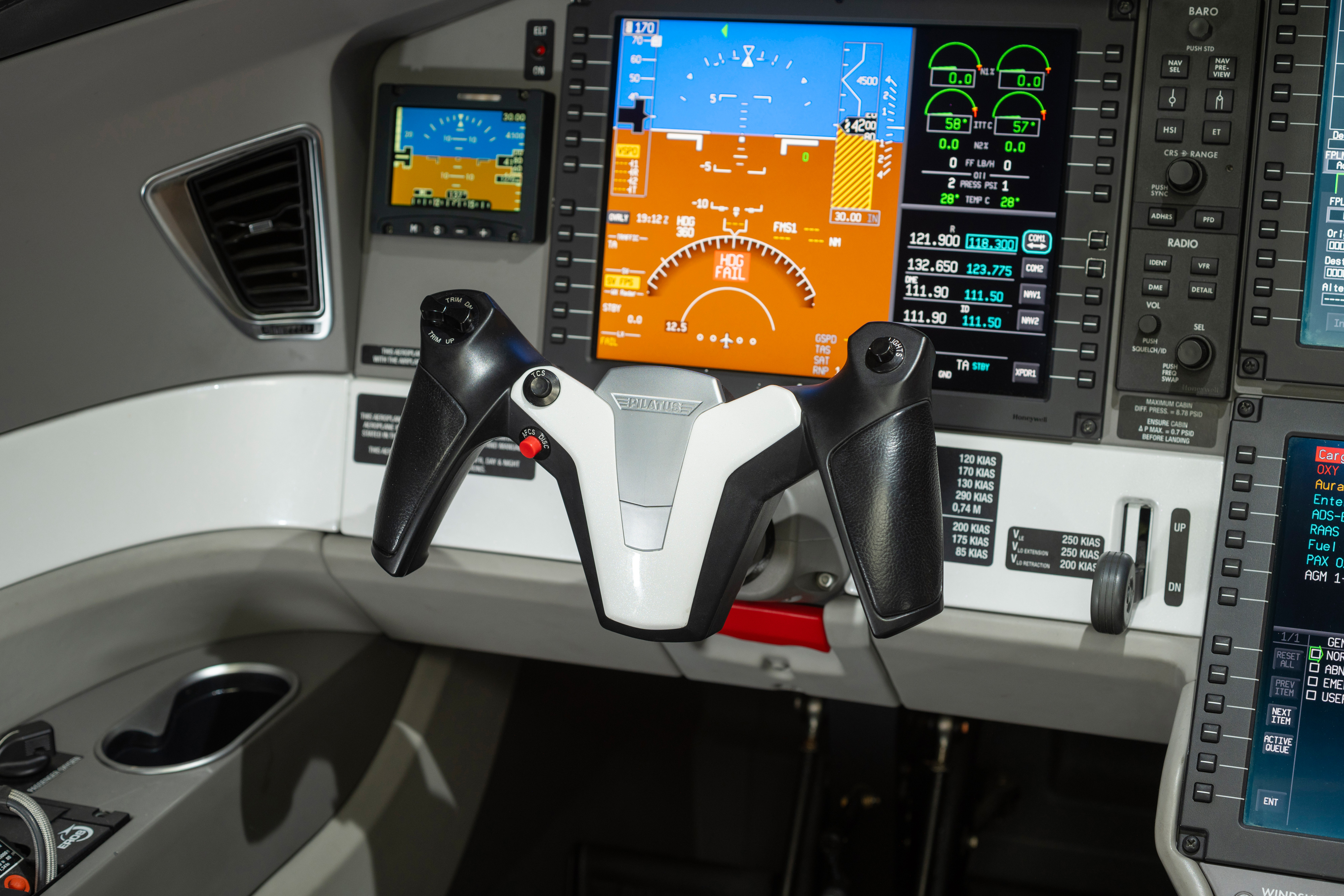
A modern flight deck changes how an aircraft is flown, maintained, and valued. It can reduce pilot workload, improve situational awareness, simplify training, and give buyers confidence that the aircraft will remain competitive for years to come. That confidence often translates directly into market value.
So, how much do avionics really affect the value of a business aircraft? The answer depends on the aircraft, its mission, and the expectations of today's buyers. While no single avionics suite is the right choice for every airplane, modern, well-supported systems consistently make aircraft more attractive in the pre-owned market.
Why Modern Avionics Matter
Today's buyers are evaluating far more than paint, interior condition, and performance specifications. They also want confidence that the aircraft's technology will support their mission for years to come.
Modern avionics improve far more than the pilot experience. They enhance situational awareness, reduce workload, simplify flight planning, improve connectivity, and help keep an aircraft aligned with current operational expectations.
For many light business jets, Garmin G1000 NXi upgrades have become particularly desirable. Compared with earlier-generation avionics, NXi delivers faster processing, enhanced displays, improved connectivity, and continued software support that buyers increasingly expect to see.
Beyond Garmin, platforms such as Collins Pro Line Fusion and Honeywell Primus Epic continue to provide exceptional capability in aircraft originally designed around those systems. What matters most is not the name on the displays, but whether the avionics are modern, well-supported, and appropriate for the aircraft.
The Best Avionics System Depends on the Aircraft
Every aircraft has different buyer expectations. Some aircraft benefit most from Garmin upgrades, while others deliver the greatest value by maintaining and updating their original Collins or Honeywell avionics.
Avionics should never be judged by brand alone. A well-supported, properly configured flight deck with current software and the right capabilities may be far more valuable than a newer system that doesn't align with the aircraft or its intended mission.
The details matter. Is the aircraft compliant for the next owner’s airspace? Are navigation and surveillance capabilities current? Are functions integrated cleanly, or does the panel feel like several generations pieced together? Are component-support problems ahead? What will the next major update cost?
Those questions often have a greater impact on resale value than the age of the displays themselves.
Planning an Avionics Upgrade for Resale
Strategic avionics upgrades can improve marketability, but owners should be realistic about return. A major installation completed immediately before a sale does not always return every dollar invested. The strongest financial case usually exists when the owner will also benefit from the upgrade through several years of safer, easier, or more capable operation.
Timing and configuration are important. Buyers consistently place a premium on complete, cohesive flight decks. They are less enthusiastic about partial upgrades that leave expensive legacy components or uncertainty about what comes next. Records matter, too. A clean installation from a respected facility, backed by complete documentation and approvals, makes the value easier to defend during a transaction.
Before committing to an upgrade, an owner should compare the installed cost with the aircraft’s present value, intended hold period, competitive listings, and likely buyer expectations. On some aircraft, the right upgrade is transformative. On others, the better decision may be to maintain the existing system, price the aircraft appropriately, and let the next owner choose.
Choose Avionics That Support Today's Mission and Tomorrow's Resale
The best avionics are not necessarily the newest or the most expensive. They are the systems that make an aircraft easier to operate today and easier to sell tomorrow.
For many light and midsize business jets, modern avionics such as the Garmin G1000 NXi can significantly enhance buyer appeal, while aircraft designed around Collins or Honeywell platforms often retain the greatest value by maintaining and updating their native flight decks. The right answer depends on where the aircraft sits in the market and where its owner wants to take it next.
At SOLJETS, we look at avionics as part of the complete value picture. Whether you are evaluating an acquisition, considering an avionics upgrade, or preparing an aircraft for sale, the goal is not simply to install more technology. It is to make a smarter investment, one that improves the flying experience while protecting the long-term value of the aircraft.
Explore More on The Manifest

Celebrating 10 Years of Excellence: Hannah Bowron Marks a Decade of Impact at SOLJETS



%20(2).jpeg)


How Many Private Jets Fly to the Super Bowl? Here’s What the Numbers Show
Maintenance Programs Demystified: How Dealers Evaluate Value Before a Purchase
.jpg)
.jpg)
In a Season of Travel Challenges, Private Aviation Gives Us Much to Be Thankful For

Mastering the Phenom Market: How SOLJETS Leads in Embraer Sales and Acquisitions
.png)
%2C_Luxembourg_PP1350972612.jpg)



OBBB Act Reinstates 100% Bonus Depreciation, Reenergizes Private Jet Market

Garmin Autoland: The Life-Saving Technology Revolutionizing Private Jet Operations

President Trump's Potential Acquisition of Qatar's $400 Million Boeing 747-8: A Glimpse into Aviation Luxury

Employee Spotlight: Pericles – A Passion for Flight, Family, and Integrity
.png)


.png)

Honoring Lives Lost: SOLJETS Sends Condolences and Calls for Aviation Safety After D.C. Air Tragedy



If Santa Flew a Gulfstream: The Aviation Reality of Delivering Christmas Gifts

The Current State of the Aviation Insurance Industry: Challenges and Opportunities

The Future of Flight Has Arrived: Meet the Next Generation of Cessna Citation Business Jets

We're Growing in Utah! Strengthening Our Leadership with Shawn Beckstrom as Director of Business Development


.webp)


Exploring the Embraer Praetor 600: Price, Features, and Market Comparison


.avif)


.webp)


.jpeg)


University of Utah Student Completes Soljets' First Summer Internship
.jpeg)
.jpeg)

.jpeg)
.jpeg)
.jpeg)
Twin & Turbine, April 2020 Feature - Increase Your Planes Value In Today's Market
.jpeg)

.jpeg)
Soljets Welcomes Seasoned Aviation Sales Professional Michael Parker To The Team


.jpeg)
.jpeg)
.jpeg)



Built for Speed. Backed by Expertise: SOLJETS Builds Momentum in the Pre-Owned Epic Aircraft Market.

.png)
From Purchase to Profit: How Owners Maximize Aircraft Value Through Smart Upgrades


.JPG)