Why September Is the Right Time to Begin a Year-End Aircraft Acquisition


Matthew
Every December, the pressure starts to build in the business aircraft market. A buyer has found a promising aircraft. The tax strategy makes sense. Everyone wants to close before year-end.
Then the pre-purchase inspection uncovers corrosion, the inspection facility does not have availability, or the aircraft is not ready in time to complete the required business flight before year-end.
December did not create the problem. The calendar simply exposed it.
For buyers who want to own and begin using an aircraft by year-end, September is often the practical starting point. It is early enough to make a disciplined decision, yet close enough to year-end for tax planning, capital budgets, and travel requirements to be reasonably clear. More importantly, it leaves room for the parts of an aircraft transaction that cannot be rushed without adding risk.
Start With the Mission, Not the Deadline
A December 31 target can focus a transaction. It should not dictate which aircraft you buy.
The first question is still operational: What does the aircraft need to do? That means looking honestly at passenger count, typical stage length, runway requirements, baggage needs, preferred cabin, annual utilization, crew model, and operating budget. An aircraft that looks attractive in a listing may be the wrong fit once real missions and ownership costs are considered.
Beginning in September gives the acquisition team time to compare models and individual aircraft on more than asking price. Maintenance status, engine and auxiliary power unit programs, upcoming inspections, damage history, avionics, connectivity, cabin condition, and resale position can materially change the economics of two otherwise similar airplanes.
This is where market knowledge matters. A strong acquisition process should answer three separate questions: Is this the right model? Is this the right aircraft? Is this the right deal? Those answers are related, but they are not interchangeable.
A Year-End Transaction Has More Moving Parts Than Most Buyers Expect
Once a target aircraft is identified, the transaction still has to move through a letter of intent, purchase agreement, deposit and escrow arrangements, records review, title and lien searches, pre-purchase inspection, discrepancy negotiations, financing, insurance, closing documents, delivery, and registration.
The National Business Aviation Association's aircraft transaction guidance treats acquisition as a coordinated process involving regulatory, tax, financial, contractual, technical, and closing considerations. Many of these tasks can happen at the same time, but there are still parts of the process that simply take time.
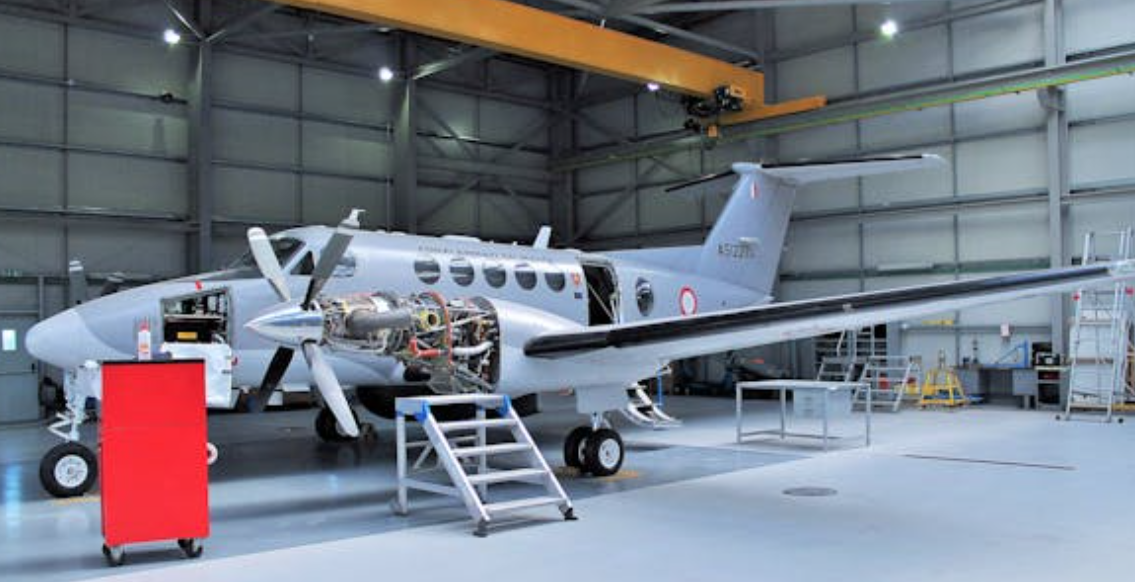
The pre-purchase inspection is one of the biggest variables, particularly at year-end when inspection slots can become difficult to secure. A clean aircraft may move through the process efficiently. Another may reveal deferred maintenance, incomplete records, undocumented repairs, program enrollment issues, or discrepancies that require parts and shop time. The buyer then needs space to understand the findings, estimate their financial impact, and negotiate from facts rather than from a looming deadline.
Starting in September gives buyers something that becomes increasingly valuable as year-end approaches: time. If the first aircraft is not acceptable, there may still be time to pursue another. If the inspection scope needs to expand, it can. If a title issue appears, counsel can address it before it becomes a closing emergency.
Fourth-Quarter Capacity Gets Tight
Year-end demand is not limited to aircraft. Buyers are also competing for inspection slots, maintenance capacity, appraisers, lenders, aviation attorneys, tax advisors, insurers, escrow agents, and pilots.
That activity matters even when aircraft inventory looks healthy. The airplane may be available while the preferred service center is not. A lender may be willing while underwriting is backed up. A seller may accept the price while refusing an inspection schedule that runs too close to the holidays.
Starting in September improves the odds of securing the right resources instead of working around limited year-end availability.
Tax Planning Rewards an Early Start, Not a Rushed Purchase
Tax considerations are often an important part of a year-end aircraft acquisition, but they need to be addressed with the buyer’s qualified tax and legal advisors early in the process. Closing on an aircraft before December 31 does not by itself determine whether it qualifies for a particular tax treatment.
Depending on the buyer’s circumstances, factors such as ownership structure, business use, delivery timing, and when the aircraft is placed in service may all matter. For buyers working toward a year-end tax strategy, this can also mean allowing enough time after closing to complete the required business flight before December 31.
SOLJETS does not provide tax or legal advice, but we regularly coordinate with our clients’ advisors so the acquisition timeline supports their overall plan. Those conversations should happen early, not when the aircraft is already sitting on the ramp in late December.
Financing, Insurance, and Operations Need Their Own Runway
Even a well-negotiated purchase can be delayed by work happening outside the aircraft itself.
Financing requires underwriting, appraisal, entity documents, insurance requirements, and coordination with the closing agent. Insurance may depend on pilot qualifications, training plans, operating geography, and the aircraft's intended use. A first-time owner may also need to select a management company, hire or assign crew, schedule simulator training, arrange a hangar, and establish maintenance and recordkeeping systems.
These are not post-closing details if the year-end objective includes placing the aircraft into service. They are part of the acquisition plan.
September gives the buyer enough time to work backward from an operational date rather than treating the wire transfer as the finish line.
What a Sensible September Start Looks Like
The exact timeline will vary, but the sequence should be deliberate.
In September, define the mission, budget, ownership objectives, advisory team, and target aircraft categories. Begin the market search and address tax and legal structure early.
In October, narrow the field, inspect records, submit an informed offer, negotiate the purchase agreement, open escrow, and begin financing and insurance work. Ideally, the aircraft is also under contract and moving toward the pre-purchase inspection.
In November, complete or continue the pre-purchase inspection, evaluate discrepancies, resolve title and documentation issues, and finalize the operational plan.
December should be reserved for completing agreed corrective work, satisfying closing conditions, transferring funds and documents, taking delivery, and completing any required business use before year-end. It should not be the month when the buyer first learns what the aircraft needs.
The Best Year-End Acquisition Is Still the Right Acquisition
Tax benefits can improve aircraft ownership economics, but they cannot turn the wrong airplane into the right one. Nor should a calendar deadline persuade a buyer to accept weak records, an inadequate inspection, an unfavorable contract, or unresolved technical risk.
The real advantage of a September start is not speed. It is leverage: time to compare, time to investigate, time to negotiate, and time to walk away if the aircraft does not hold up under scrutiny.
SOLJETS combines real-world ownership and operating experience with current market intelligence to guide buyers through the entire acquisition, from mission analysis and aircraft sourcing to negotiation, inspection, and closing. If a year-end acquisition is part of your plan, September is the time to start the conversation.
Explore More on The Manifest

Celebrating 10 Years of Excellence: Hannah Bowron Marks a Decade of Impact at SOLJETS



%20(2).jpeg)


How Many Private Jets Fly to the Super Bowl? Here’s What the Numbers Show
Maintenance Programs Demystified: How Dealers Evaluate Value Before a Purchase
.jpg)
.jpg)
In a Season of Travel Challenges, Private Aviation Gives Us Much to Be Thankful For

Mastering the Phenom Market: How SOLJETS Leads in Embraer Sales and Acquisitions
.png)
%2C_Luxembourg_PP1350972612.jpg)



OBBB Act Reinstates 100% Bonus Depreciation, Reenergizes Private Jet Market

Garmin Autoland: The Life-Saving Technology Revolutionizing Private Jet Operations

President Trump's Potential Acquisition of Qatar's $400 Million Boeing 747-8: A Glimpse into Aviation Luxury

Employee Spotlight: Pericles – A Passion for Flight, Family, and Integrity
.png)


.png)

Honoring Lives Lost: SOLJETS Sends Condolences and Calls for Aviation Safety After D.C. Air Tragedy



If Santa Flew a Gulfstream: The Aviation Reality of Delivering Christmas Gifts

The Current State of the Aviation Insurance Industry: Challenges and Opportunities

The Future of Flight Has Arrived: Meet the Next Generation of Cessna Citation Business Jets

We're Growing in Utah! Strengthening Our Leadership with Shawn Beckstrom as Director of Business Development


.webp)


Exploring the Embraer Praetor 600: Price, Features, and Market Comparison


.avif)


.webp)


.jpeg)


University of Utah Student Completes Soljets' First Summer Internship
.jpeg)
.jpeg)

.jpeg)
.jpeg)
.jpeg)
Twin & Turbine, April 2020 Feature - Increase Your Planes Value In Today's Market
.jpeg)

.jpeg)
Soljets Welcomes Seasoned Aviation Sales Professional Michael Parker To The Team


.jpeg)
.jpeg)
.jpeg)




Built for Speed. Backed by Expertise: SOLJETS Builds Momentum in the Pre-Owned Epic Aircraft Market.

.png)
From Purchase to Profit: How Owners Maximize Aircraft Value Through Smart Upgrades

.JPG)